
Shams’s classical self-thinking and Modern self-thiking
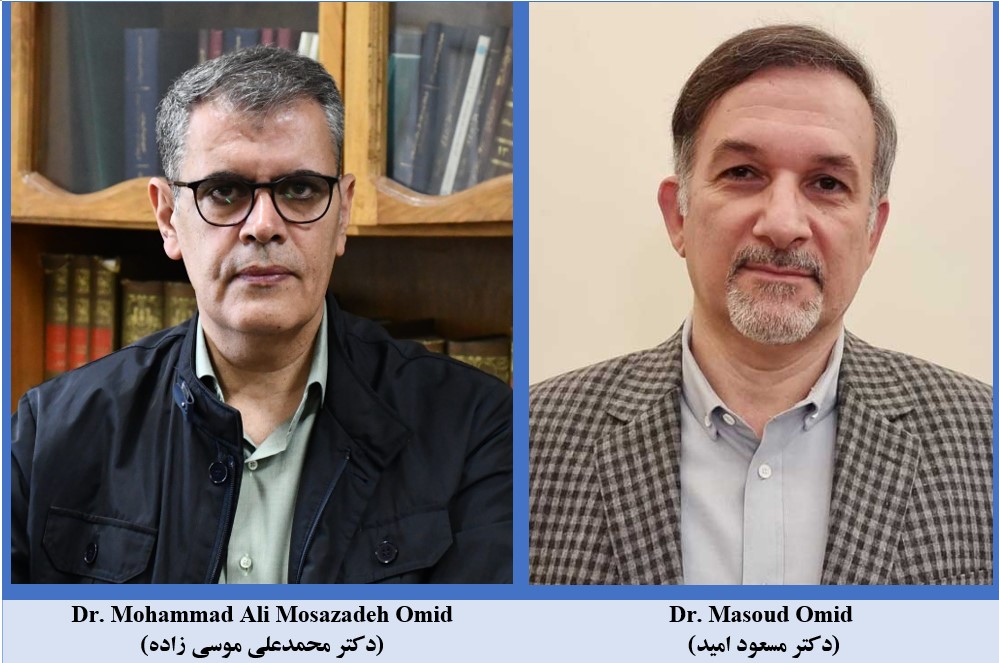
Dr. Masoud Omid, professor of philosophy at the University of Tabriz, gave a speech at the Shams Mevlana International Conference in his city about the concept of self and self-reflection from the classical and modern perspectives of the word. He pointed out Shams's addressee in his speech, thoughts, actions and works is something called the self or ego, his own self or the self of another or others. In his opinion, human life is short and at the first opportunity this self should reach the stage of self-realization; of course, in due time and gradually. In the world of philosophy, this self is considered primarily as a subject for self-consciousness, knowledge by presence, introspection and reflexivity. These titles basically refer to the personal, internal and simple understanding and perception of the self. Secondly. what is considered in philosophy is self-knowledge, meaning detailed knowledge of the nature and characteristics of the self, which has been considered on two levels: ethical (Socrates) or metaphysical (Plato and Aristotle). But some philosophical thinkers have paid attention to another stage of self-realization, apart from self-knowledge, which can be called self-thinking. According to Shams, the highest stage of self-realization is self-thinking.
Self-thinking is the arrangement of a system of thought within one's own horizon, under its guidance, and through it, and then living according to it. Historically, we can speak of classical or modern, philosophical or mystical, ontological or epistemological or existential types of self-thinking. Shams's self-thinking is of a classical and mystical type, with a metaphysical connotation. According to Shams, the destiny of the self is self-thinking, and there is no independent and distinct destiny for the self-thinking person; because his destiny is his own knowledge and wisdom. Classical self-thinking (in Augustine, Ghazali, and Shams) is distinct and different from modern self-thinking (Descartes, Kant, and Heidegger). However, the theoretical and practical connection between the two is not inevitable and impossible. Theories on the theoretical relationship of these two types of self-thikings, such as a dialectical or dialogical relationship, can be proposed. It also seems that the practical relationship, that is, the coexistence, presence, action, reaction, and influence between these two types of self-thinkings, should be considered and valued in the context of life, but also within the framework of ethics (observance of mutual respect) and rights (freedom to choose one's lifestyle). Life is a field where these two types of self-thinkings and the life that results from them can continue their coexistence, presence, and in interaction with each other, and not necessarily in another dissolution.
A reflection on the types of speech from the perspective of Shams Tabrizi
At the 11th International Shams Mevlana Conference, a group of professors from the University of Tabriz gave a speech about Shams's thought. Dr. Mohammad Ali Musizadeh (Assistant Professor, Department of Persian Language and Literature, University of Tabriz) along with Younes Seif (PhD student in Persian Language and Literature, University of Tabriz) says that Shams Tabrizi is known among researchers as a mystic, and sometimes as a poet due to the dominance of the element of imagination in his words. The attention to Shams' speech in his articles shows that he is more than a mystic and poet, but rather a philosopher, namely a philosopher of speech. Shams' views on speech and the issues related to it are so extensive that this title is fitting for him. He sees speech not only as speech and expression, but also as a spiritual and multifaceted phenomenon that has different levels and types. This article, with a descriptive-analytical approach, categorizes and explains the diversity of speech in various dimensions such as nature (speech of truth, hypocrisy, flattery, mercy, satanic, etc.), quality (precise, strange, subtle, stimulating, open, narrow, etc.), function (advice, sermon, oratory, quotation, allusion, silence, etc.), and style (poetry, prose, composition). The findings show that, based on Shams' views, speech can be categorized into novel types, some of which were unprecedented in Iranian culture before and after Shams, because in his view, understanding and distinguishing types of speech requires spiritual and cognitive capacity that only a very few people have. This article, while enumerating the types of speech in Shams's intellectual circuit, emphasizes its central role in the mysticism of Shams Tabrizi and recognizes it as a factor of connection with the truth and a mirror of spiritual experiences.


Your Comment :